Premier League Storm: Referee from Leeds United vs Man City Clash Reportedly Banned From Two Top-Flight Clubs
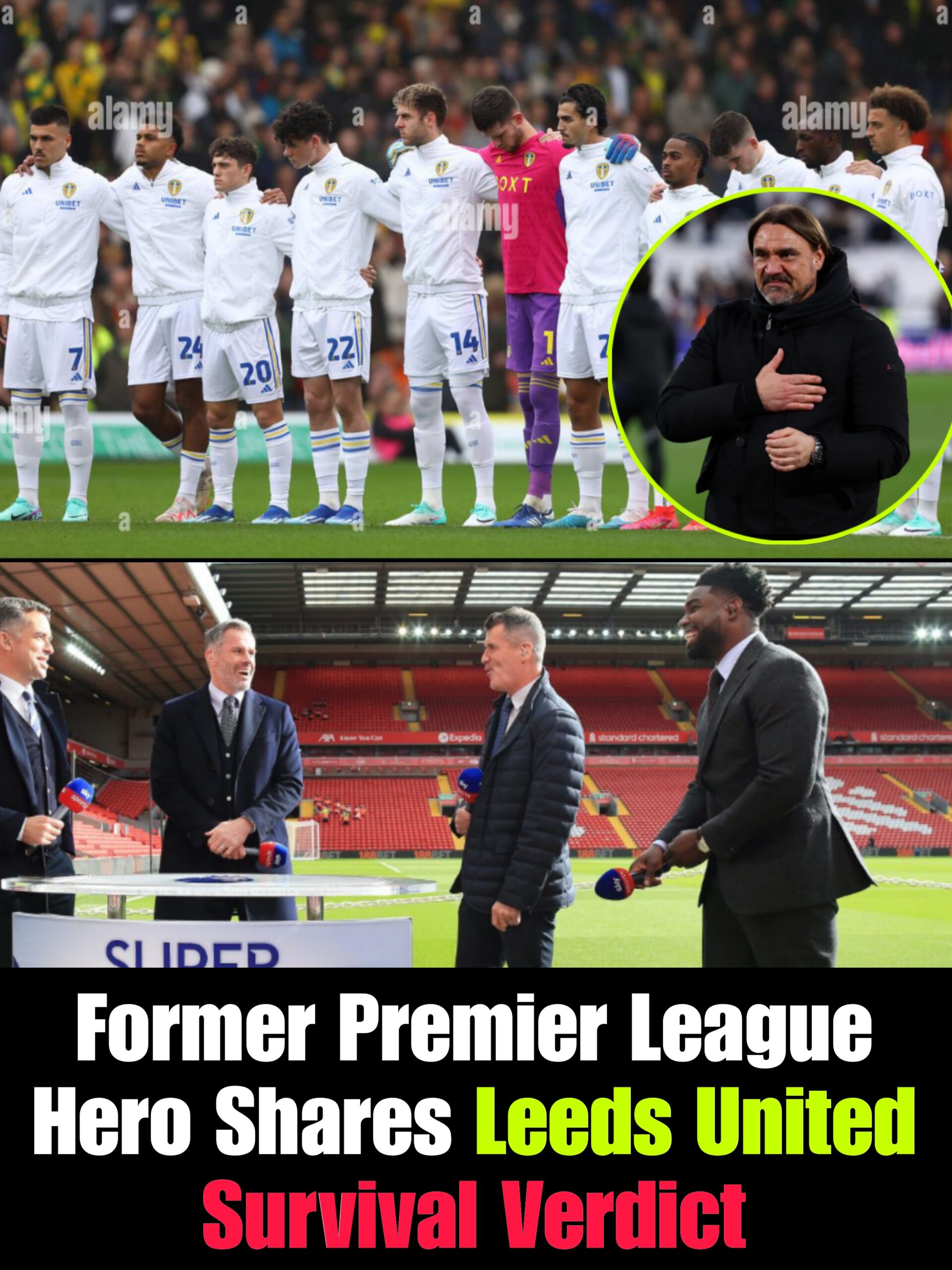
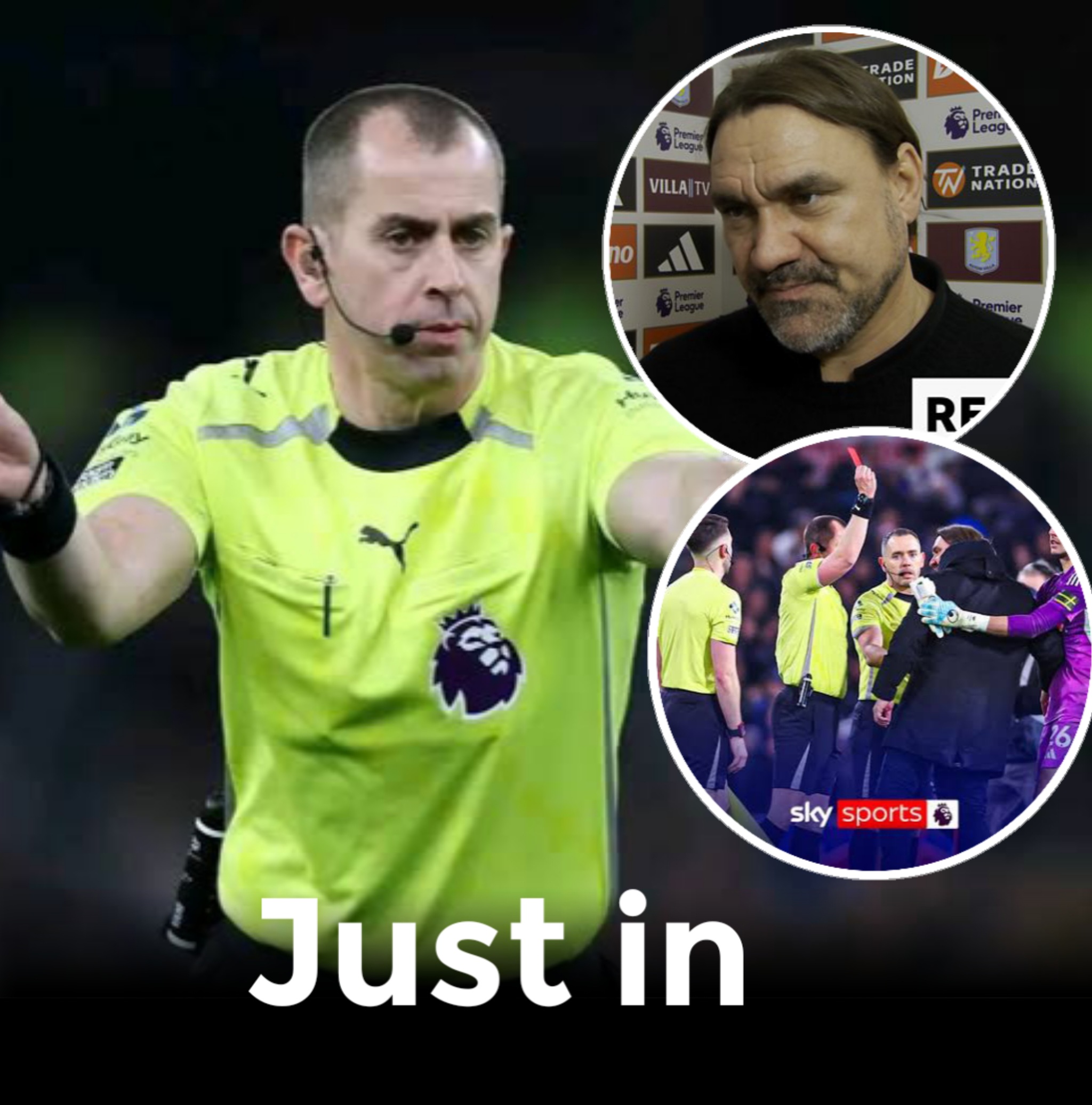
The Premier League has been thrown into fresh controversy after reports emerged that the referee who officiated the recent clash between Leeds United and Manchester City has been banned from taking charge of matches involving two top-flight clubs.
The high-intensity encounter, which ended amid heated exchanges and widespread debate over key decisions, is now at the centre of a growing storm that has sparked discussions about officiating standards and accountability at the highest level of English football.
According to sources close to the situation, the decision to sideline the referee from fixtures involving the two unnamed clubs was made following a review of several contentious calls during the game. While no official statement has confirmed a long-term suspension, it is understood that the move is part of a precautionary measure while further assessments are carried out.
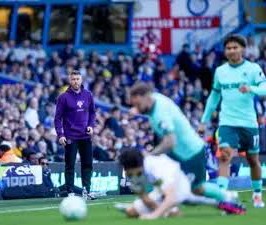
The match itself was fiercely contested, with both sides fighting for crucial points. However, attention quickly shifted from the players to the man in the middle after a series of decisions left fans, pundits, and coaching staff divided. Among the incidents under scrutiny were a disputed penalty appeal, a controversial booking that altered the momentum of the contest, and questions surrounding added time.
The Professional Game Match Officials Limited (Professional Game Match Officials Limited), the body responsible for refereeing appointments in England’s top divisions, is believed to have conducted an internal review in the days following the fixture. While PGMOL traditionally refrains from publicly detailing disciplinary actions involving officials, insiders suggest that performance feedback was delivered swiftly.
This development has reignited debate about transparency in refereeing decisions. Critics argue that the lack of public communication fuels speculation and undermines confidence among supporters. Others, however, insist that internal reviews and temporary removals from specific fixtures are standard practice when controversial performances occur.
The Football Association (The Football Association) has also reportedly been kept informed, though it is not believed to be directly involved in the operational decision-making regarding match appointments. Responsibility for referee assignments in the Premier League rests primarily with PGMOL.
For Leeds United, the fallout adds to a season already packed with tension as they battle for stability and consistency. Club sources have remained tight-lipped, but it is understood that concerns were raised privately about certain decisions made during the fixture. Manchester City, meanwhile, have publicly avoided escalating the situation, choosing instead to focus on their upcoming schedule.
Former players and pundits have weighed in across various platforms. Some have defended the referee, highlighting the intense speed and pressure of modern Premier League football. With VAR involvement adding another layer of scrutiny, officials often face split-second decisions that are replayed repeatedly from multiple angles.
Others have called for greater clarity around how referees are assessed and disciplined. Suggestions range from publishing post-match review summaries to allowing limited media briefings that explain contentious rulings. Advocates of reform believe such steps would enhance trust and reduce the perception of inconsistency.
Despite the uproar, it is important to note that temporary removal from certain fixtures does not necessarily equate to a formal suspension. Referees are routinely rotated or reassigned based on performance metrics, workload management, and strategic considerations. However, the timing of this reported ban has inevitably linked it to the controversy surrounding the Leeds versus Manchester City match.
The situation also underscores the broader challenge facing English football: balancing the human element of refereeing with technological assistance and public expectation. With millions watching worldwide and every decision dissected on social media within seconds, the margin for error feels smaller than ever.
As the season progresses, attention will remain firmly fixed on how officials perform in high-stakes encounters. Whether this reported ban leads to longer-term consequences or quietly fades as part of routine internal processes remains to be seen.
For now, the episode serves as another reminder of how quickly the spotlight can shift in the Premier League — from star players and title races to the officials tasked with enforcing the laws of the game.