“Police Step Up Action as Rangers vs Celtic Fan Disorder Sees Two More Arrested”
Police have continued their investigation into the disorder that followed the heated Rangers versus Celtic Scottish Cup quarter-final clash at Ibrox, confirming that two more individuals have now been arrested in connection with the incident. The latest development comes more than three weeks after the dramatic encounter on 8 March, a match that ended in high tension both on and off the pitch.
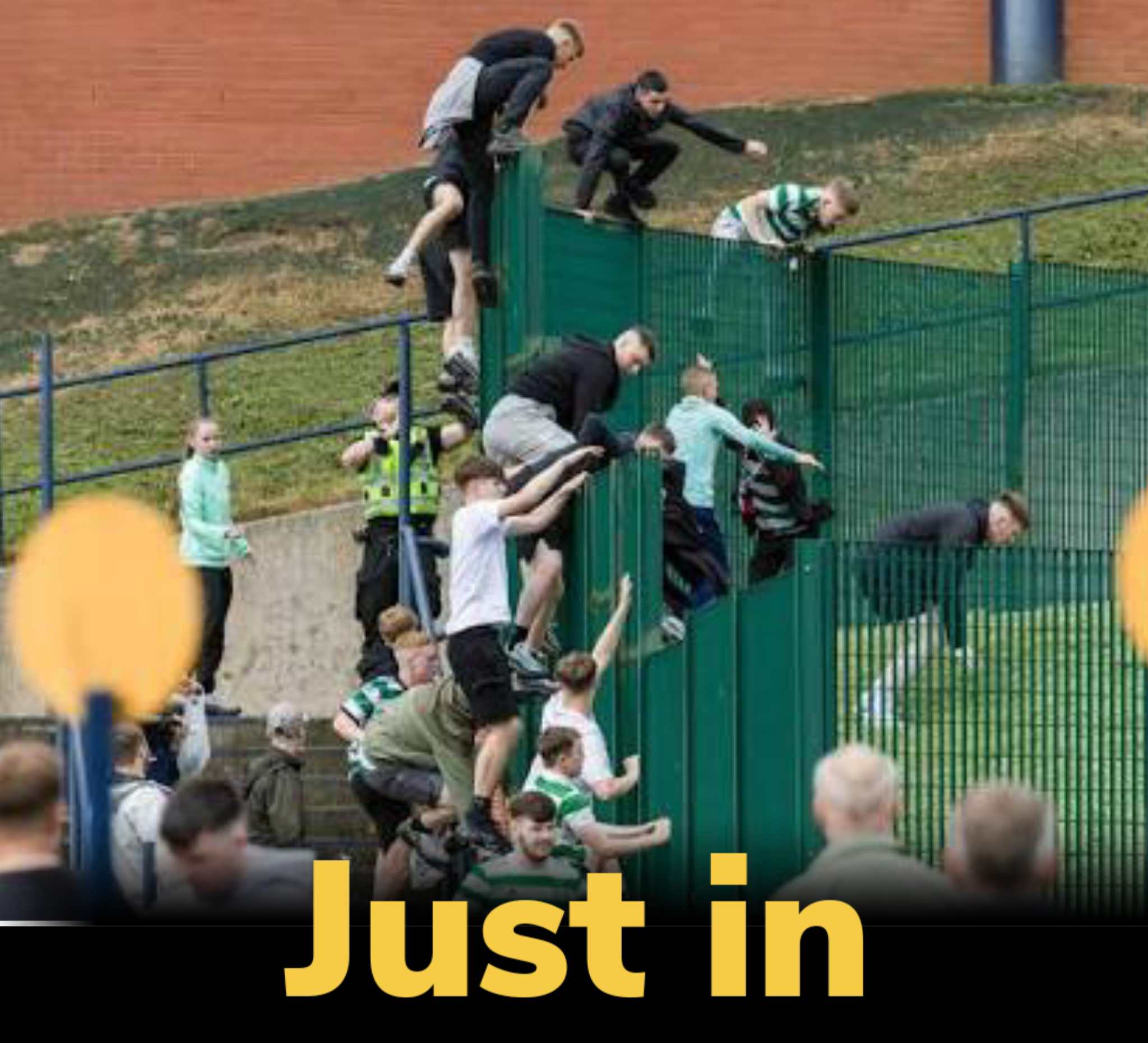
The Scottish Cup tie between Rangers and Celtic—one of football’s most fiercely contested rivalries—concluded in dramatic fashion, with Celtic eventually emerging victorious after a nerve-wracking penalty shootout. However, what should have been remembered as a thrilling football spectacle was overshadowed by chaotic scenes at full-time, as a pitch invasion by fans marred the conclusion of the match.
According to Police Scotland, the two latest suspects—a 25-year-old man and a 46-year-old man—have been arrested and formally charged in relation to what authorities described as “culpable and reckless conduct.” This legal term typically refers to behavior that shows a blatant disregard for the safety and well-being of others, underlining the seriousness with which law enforcement is treating the disorder.
Following their arrest and charging, both individuals have been released on an undertaking, meaning they are required to appear in court at a later date. While their identities have not been publicly disclosed, officials confirmed that investigations remain ongoing, with further action possible as more evidence is reviewed.
These two new arrests bring the total number of individuals detained in connection with the incident to 13. The figure highlights the scale of the disorder that unfolded after the final whistle at Ibrox, raising fresh concerns about fan behavior and stadium security during high-profile matches.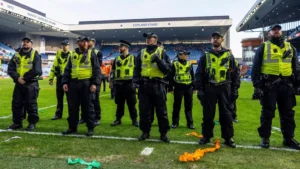
The disorder itself erupted in the immediate aftermath of Celtic’s penalty shootout victory. Emotions were already running high given the magnitude of the fixture, and tensions spilled over when sections of supporters breached security barriers and invaded the pitch. Such invasions not only pose a serious risk to players, coaching staff, and match officials, but also create dangerous situations for fans themselves.
Eyewitness accounts and video footage shared widely on social media showed chaotic scenes as stewards and police attempted to regain control. The pitch invasion disrupted post-match procedures and forced a significant police response, with officers working to disperse crowds and restore order inside the stadium.
Police Scotland launched a major investigation shortly after the incident, reviewing extensive video evidence, including CCTV footage and material submitted by members of the public. As part of their efforts, authorities set up a dedicated major incident public portal, allowing individuals to upload images and footage that could assist in identifying those involved in the disorder.
⁹
In addition, officers have urged anyone with information to come forward, either by contacting Police Scotland directly or through Crimestoppers, which allows individuals to provide information anonymously. This approach has been instrumental in helping investigators build cases against suspects and ensure accountability.
A spokesperson for Police Scotland emphasized that tackling disorder at football matches remains a priority, particularly for fixtures involving historic rivalries such as Rangers and Celtic. Matches between the two clubs—commonly referred to as the “Old Firm”—are known for their intensity and passion, but authorities have repeatedly stressed the importance of maintaining safety and respect both inside and outside the stadium.
The continued arrests send a clear message that unlawful behavior will not be tolerated, regardless of the circumstances. Police have reiterated their commitment to identifying all individuals responsible for the disorder and bringing them to justice, even if it takes weeks or months after the event.
Football authorities are also likely to take a close interest in the developments. Incidents of fan disorder can lead to sanctions against clubs, including fines, stadium restrictions, or other disciplinary measures. Both Rangers and Celtic have previously called on their supporters to behave responsibly, especially during high-stakes matches.
The Scottish Cup quarter-final itself had all the ingredients of a classic encounter. The two Glasgow giants battled intensely throughout the match, with neither side willing to concede defeat. After a tightly contested 90 minutes and extra time, the game was ultimately decided by penalties, where Celtic held their nerve to secure progression to the next round.
While the footballing drama should have been the main talking point, the post-match scenes have instead dominated headlines in the weeks since. The incident has reignited discussions about crowd control, fan behavior, and the measures needed to prevent similar occurrences in the future.
Security at major matches is always a complex operation, involving coordination between clubs, police, and stadium staff. Despite extensive planning, the unpredictable nature of large crowds means that incidents can still occur, particularly when emotions run high. However, the scale of the disorder at Ibrox has prompted calls for a review of existing protocols to ensure that such breaches are minimized going forward.
For now, the focus remains on the ongoing investigation. With 13 arrests already made and the possibility of more to come, Police Scotland’s efforts underline the seriousness of the situation. The use of modern investigative tools, combined with public cooperation, has proven crucial in identifying those responsible.
As the legal process unfolds, the individuals charged will have the opportunity to respond to the allegations in court. Meanwhile, authorities continue to appeal for information that could assist in completing their inquiries.
Ultimately, the events following the Rangers versus Celtic clash serve as a stark reminder of the fine line between passionate support and unacceptable behavior. While football rivalries are an integral part of the sport’s appeal, maintaining safety and respect remains paramount.
The hope among officials, clubs, and the wider football community is that lessons will be learned from this incident, ensuring that future matches are remembered for the action on the pitch rather than the disorder that can sometimes follow.