MAN UNITED FANS TORN MICHEAL CARRICK APART FOR PLAYING ‘PATHETIC’ ACE IN 2-2 DRAW VS EVERTON

MAN UNITED FANS TORN MICHEAL CARRICK APART FOR PLAYING ‘PATHETIC’ ACE IN 2-2 DRAW VS EVERTON.
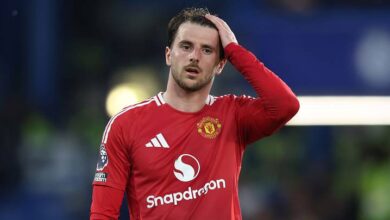
Manchester United’s Premier League campaign took another frustrating turn as they squandered a late lead to draw 2-2 against Everton at Hill Dickinson Stadium. What should have been a morale-boosting victory ended in chaos, with United conceding a stoppage-time equalizer that left fans furious. Much of the anger was directed at manager Michael Carrick, whose substitution choices—particularly the introduction of a young player—were seen as pivotal in the collapse.
This match was more than just two points dropped; it was a microcosm of United’s struggles under Carrick. Tactical decisions, squad rotation, and player readiness all came under scrutiny. And at the heart of the storm was one name: Patrick Dorgu.
The Flow of the Match
United began brightly, controlling possession and dictating tempo. Bryan Mbeumo’s strike just after halftime gave them the lead, and the visitors looked comfortable for long stretches. Everton, however, refused to fold. Tyrique George equalized in the 83rd minute, only for Benjamin Šeško to restore United’s advantage five minutes later.
At that point, United seemed destined to leave Merseyside with all three points. But football is cruel, and in the dying seconds, Ainsley Maitland-Niles smashed home a dramatic equalizer. The stadium erupted, and United’s players slumped to the turf, knowing they had let victory slip away.
Carrick’s Tactical Gamble
Carrick’s substitutions were central to the narrative. With United leading 1-0, he opted to shore up the defense rather than push for a second goal. Out went Marcus Rashford, in came a relatively untested youngster. The idea was clear: protect the lead, absorb pressure, and hit Everton on the counter.
But the execution was flawed. By removing Rashford, United lost an outlet for relieving pressure. Everton sensed vulnerability and poured forward. Carrick’s defensive reshuffle created confusion, and the team’s shape deteriorated.
Fan Reaction
The backlash was immediate. Social media lit up with criticism of Carrick’s game management. Phrases like “pathetic decision”, “bottled it”, and “not ready for this level” trended among United supporters.
Fans argued that Carrick had invited Everton pressure by making defensive substitutions too early. Many felt that more experienced players should have been trusted to see out the game. Instead, Carrick’s gamble backfired spectacularly.
The Player in Question: Patrick Dorgu
Midway through the chaos, one name emerged as the lightning rod for fan frustration—Patrick Dorgu.
The Danish left-back, signed from Lecce, was introduced in the 70th minute. Carrick deployed him on the left flank, expecting energy and defensive solidity. Instead, Dorgu struggled to cope with Everton’s relentless pressing.
– He lost possession cheaply in the 90th minute, sparking a dangerous counterattack.
– He failed to track Tyrique George effectively, allowing Everton to sustain pressure.
– His positioning was questioned, with pundits noting gaps that Everton exploited.
For supporters, Dorgu’s cameo epitomized United’s fragility. Many labeled his performance “pathetic,” arguing that he was not yet ready for Premier League intensity.
Why Dorgu Was Targeted
It is important to note that Dorgu is only 20 years old and still adapting to English football. His talent is undeniable—pace, technical ability, and attacking instincts—but Premier League matches against physical sides like Everton demand experience and composure.
Carrick’s decision to throw him into such a high-pressure situation was seen as reckless. Fans did not just blame Dorgu; they blamed Carrick for putting him in that position. Yet in the unforgiving world of football, the spotlight inevitably fell on the player.
Tactical Breakdown
United’s defensive approach after Šeško’s goal was flawed. By retreating too deep, they invited Everton pressure. Dorgu’s side became the weak link, with Hackney and George repeatedly attacking down the left.
Everton’s equalizer was the culmination of sustained pressure. Maitland-Niles’ strike may have been unstoppable, but the buildup exposed United’s lack of defensive organization. Dorgu’s inability to close down space contributed to the chaos.
Broader Implications
This match raises bigger questions about United’s direction under Carrick:
– Squad Rotation: Is Carrick too eager to experiment with young players in critical moments?
– Game Management: Should United adopt a more aggressive approach when leading, rather than retreating?
– Fan Patience: How long will supporters tolerate dropped points and questionable decisions?
For Dorgu, the implications are personal. His confidence may take a hit, and Carrick must decide whether to persist with him or ease him back into less pressurized situations.
Voices From the Dressing Room
Reports suggest that senior players were frustrated with the substitutions. Rashford, visibly annoyed at being withdrawn, shook his head as he left the pitch. Šeško, who thought he had scored the winner, looked devastated at full-time.
Carrick defended his decisions post-match, insisting that Dorgu “needed minutes” and that the team “should have managed the final moments better.” But his words did little to calm the storm.
Fan Sentiment
United fans are passionate, and their anger is rooted in years of underachievement. Many see Carrick’s tenure as a continuation of tactical naivety that has plagued the club since Sir Alex Ferguson’s retirement.
Dorgu’s performance became a symbol of that frustration. While some fans sympathized with the youngster, most vented their anger at Carrick for “throwing him to the wolves.”
Looking Ahead
United now sit 11th in the table after three matches, with just one win. The pressure is mounting on Carrick to deliver results and prove his tactical acumen.
For Dorgu, the road ahead is uncertain. He remains a promising talent, but this match may delay his integration into the first team. Carrick must balance development with results—a delicate task in the unforgiving Premier League.
Conclusion
Manchester United’s 2-2 draw with Everton was more than just a dropped result; it was a case study in poor game management. Michael Carrick’s decision to introduce Patrick Dorgu late in the game backfired, leading to fan outrage and renewed questions about his leadership.
Dorgu, still young and learning, should not bear the full brunt of criticism. Yet in football, perception matters, and his cameo was seen as “pathetic” by many supporters. The real issue lies in Carrick’s tactical choices, which left United vulnerable and cost them victory.
As the season unfolds, both Carrick and Dorgu will be under intense scrutiny. United fans demand progress, and patience is wearing thin. Whether this match becomes a turning point or a warning sign remains to be seen.