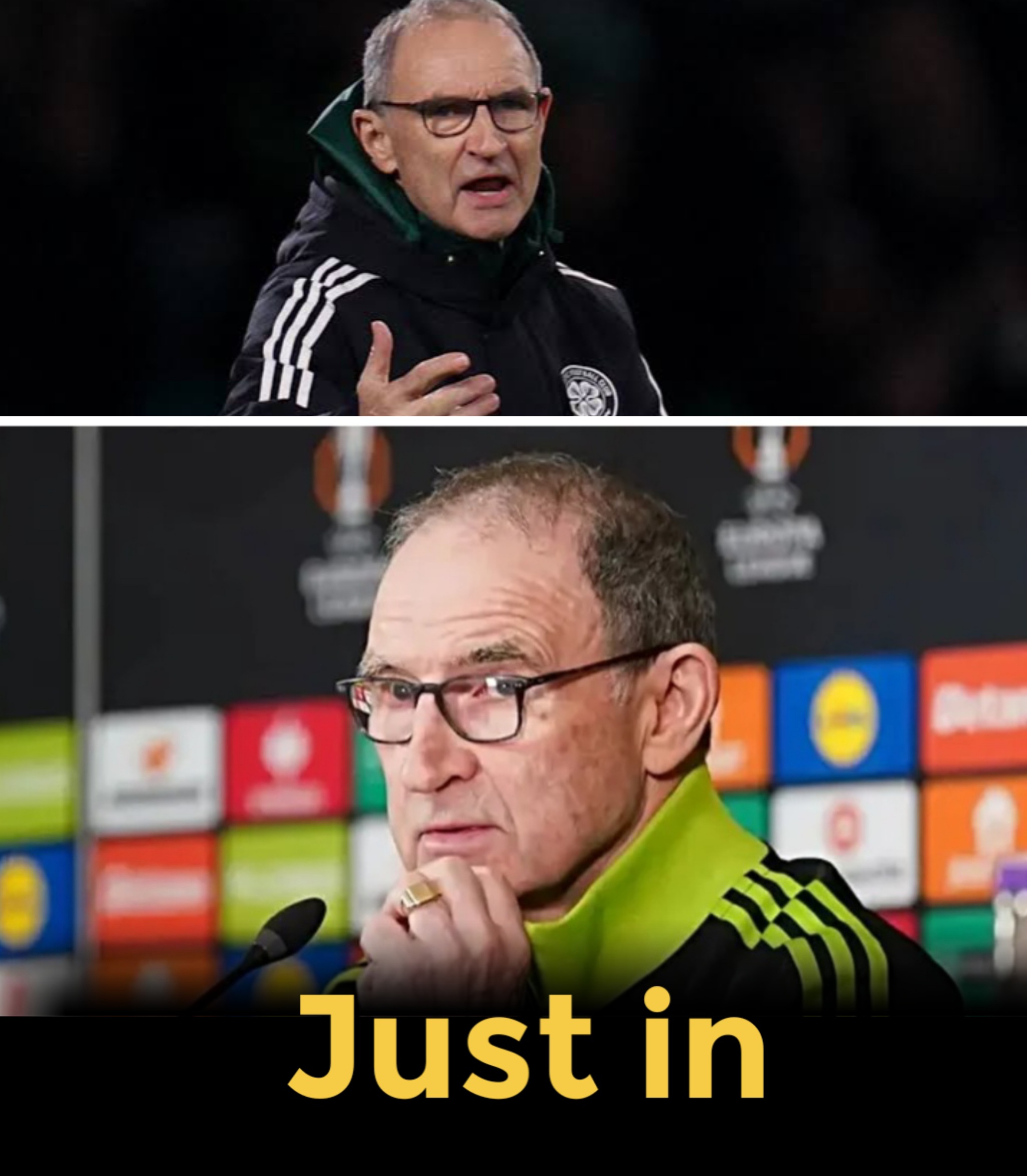
“Not On My Watch!” – Martin O’Neill Fires Back at Danny Röhl in Explosive Pre-Ibrox Showdown
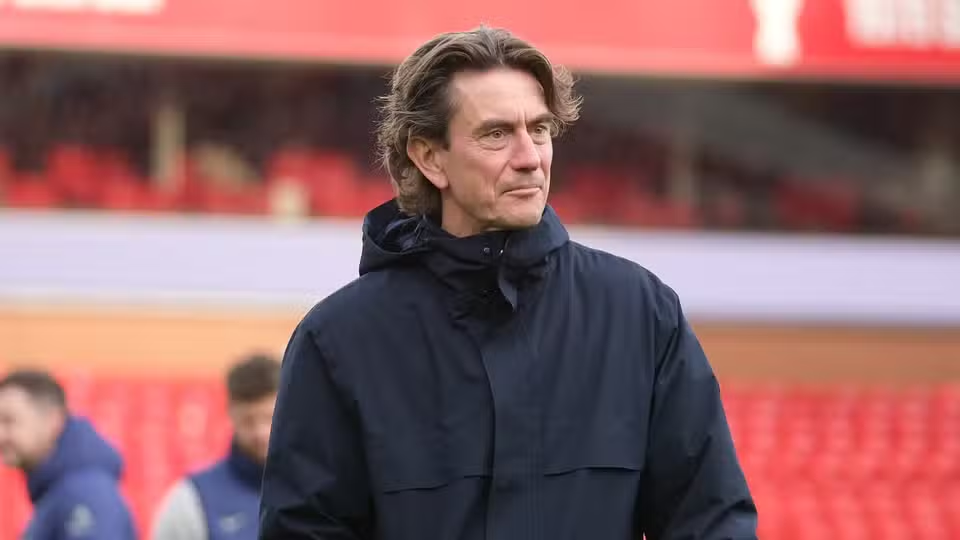
Röhl had suggested that Celtic failed to push hard enough to capitalise on their advantage during their clash with VfB Stuttgart in Germany. The Rangers manager implied that after taking an early lead on the night, Celtic did not show the necessary attacking intent to turn the tie fully in their favour — a remark that has only added fuel to the fire ahead of one of Scottish football’s most anticipated fixtures.
Speaking during his pre-match media duties on Friday, O’Neill made it clear he had taken notice of the comments — and he was not impressed. There was visible surprise in his reaction when the remarks were put to him, followed by a measured but pointed defence of his team’s approach in Germany.
From O’Neill’s perspective, context is everything. Celtic were facing a strong Bundesliga opponent on their own turf, a side renowned for their pace, physicality, and technical ability. The Irishman stressed that European away fixtures, particularly in Germany, demand tactical discipline and resilience.
Celtic made the perfect start in Stuttgart, stunning the home crowd by scoring inside the opening 30 seconds. The early goal momentarily shifted momentum and unsettled the German side. For a period, Celtic looked sharp, organised, and confident in possession.
However, as the match progressed, Stuttgart gradually asserted control. The Bundesliga outfit increased the tempo, pressed aggressively, and forced Celtic deeper into their own half. O’Neill’s side were required to defend for sustained spells — a reality he believes should be recognised rather than criticised.
Goalkeeper Viljami Sinisalo was called into action multiple times, producing a series of crucial saves to preserve Celtic’s advantage. The defensive unit, marshalled with discipline and composure, blocked shots and absorbed waves of pressure. It was not, as O’Neill suggested, a case of sitting back through choice. Instead, it was about responding to the quality and intensity of the opposition.
“European football at that level demands respect for your opponent,” O’Neill indicated. “You don’t always dictate the terms away from home against a top German side. Sometimes you have to show resilience and character.”
The Celtic manager’s response underlined his belief that his team executed the game plan effectively under challenging circumstances. While he acknowledged that Celtic might have preferred to create more attacking opportunities in the latter stages, he emphasised that football matches are often shaped by momentum and opposition quality.
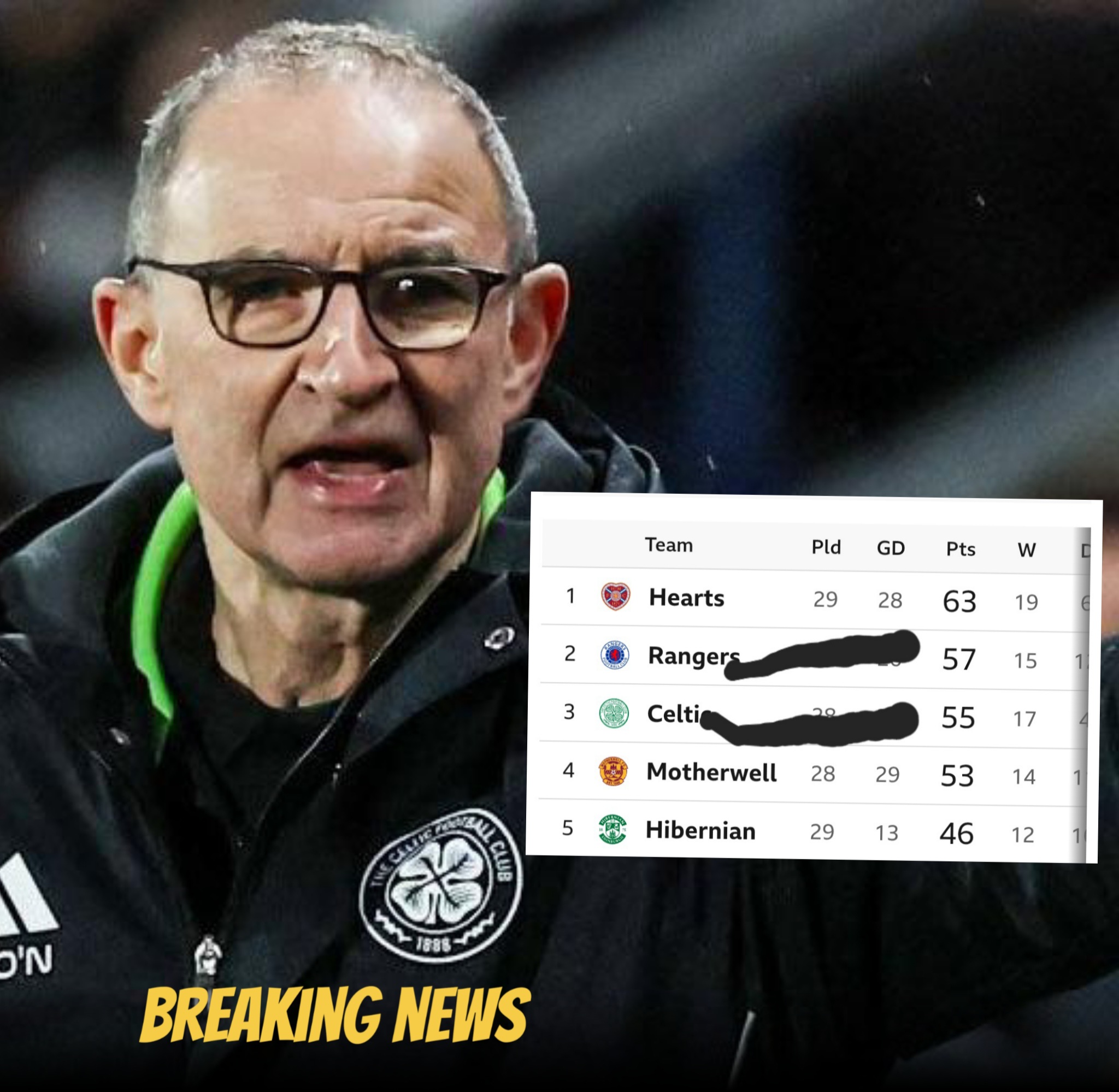
The exchange adds another intriguing subplot to Sunday’s derby at Ibrox. Meetings between Celtic and Rangers rarely require additional narrative, but the contrasting interpretations of Celtic’s European display have heightened anticipation.
For Röhl, the suggestion that Celtic could have done more may have been intended as analysis or even subtle mind games. For O’Neill, it appeared to cross into unnecessary criticism. Derby week is rarely short of tension, and public comments can easily take on added significance.
Celtic enter the match knowing the atmosphere at Ibrox will be intense. Rangers have been formidable at home this season, and Röhl’s side will be eager to assert themselves in front of their supporters. At the same time, Celtic’s recent European outing may serve as a test of their defensive solidity and mental strength — qualities O’Neill clearly values.
The Irishman has built a reputation throughout his managerial career for standing firmly behind his players. His defence of their efforts in Stuttgart reflects that trait. Rather than allowing external narratives to shape perceptions, O’Neill chose to reinforce confidence within his squad.
From a tactical standpoint, Sunday’s encounter could present a different challenge altogether. While Stuttgart applied relentless attacking pressure, Rangers are likely to combine aggression with emotional intensity. Managing the tempo of the game and coping with transitions will be crucial for both sides.
For Celtic, the lessons from Germany may prove beneficial. Sustained defending, concentration under pressure, and reliance on key individuals such as Sinisalo could all be relevant at Ibrox. At the same time, O’Neill will expect his team to show greater attacking thrust when opportunities arise.
Röhl, meanwhile, may view his earlier comments as part of the psychological chess match that often accompanies high-profile fixtures. Whether intentional or not, they have certainly ensured that the spotlight will be firmly fixed on both managers when they step into the technical areas on Sunday.
Ultimately, the debate over Celtic’s approach in Stuttgart will be settled not through words but through performance. The derby provides an immediate platform for response. If Celtic demonstrate both defensive resilience and attacking ambition at Ibrox, O’Neill’s stance will appear justified.
As kickoff approaches, the narrative has shifted from European reflection to domestic confrontation. The stakes are significant, the rivalry historic, and the scrutiny intense. In typical fashion, the build-up has delivered drama even before a ball has been kicked.
Sunday’s clash now carries added intrigue — not just because of the league implications, but because of the pride involved. O’Neill’s message was clear: his team’s efforts in Germany were born of necessity, not complacency. The next chapter will unfold at Ibrox, where actions will speak louder than pre-match words.