“Tensions Boil Over: Martin O’Neill Speaks Out as Celtic Board Faces Backlash After Dundee United Shocker!”
Celtic’s recent struggles have deepened as they now find themselves trailing behind both Heart of Midlothian and Rangers in the Scottish Premiership standings, a situation that has intensified pressure on the club and sparked visible frustration among supporters. Following another disappointing result, manager Martin O’Neill did not hide his concern, acknowledging both the team’s underperformance and the growing unrest surrounding the club.
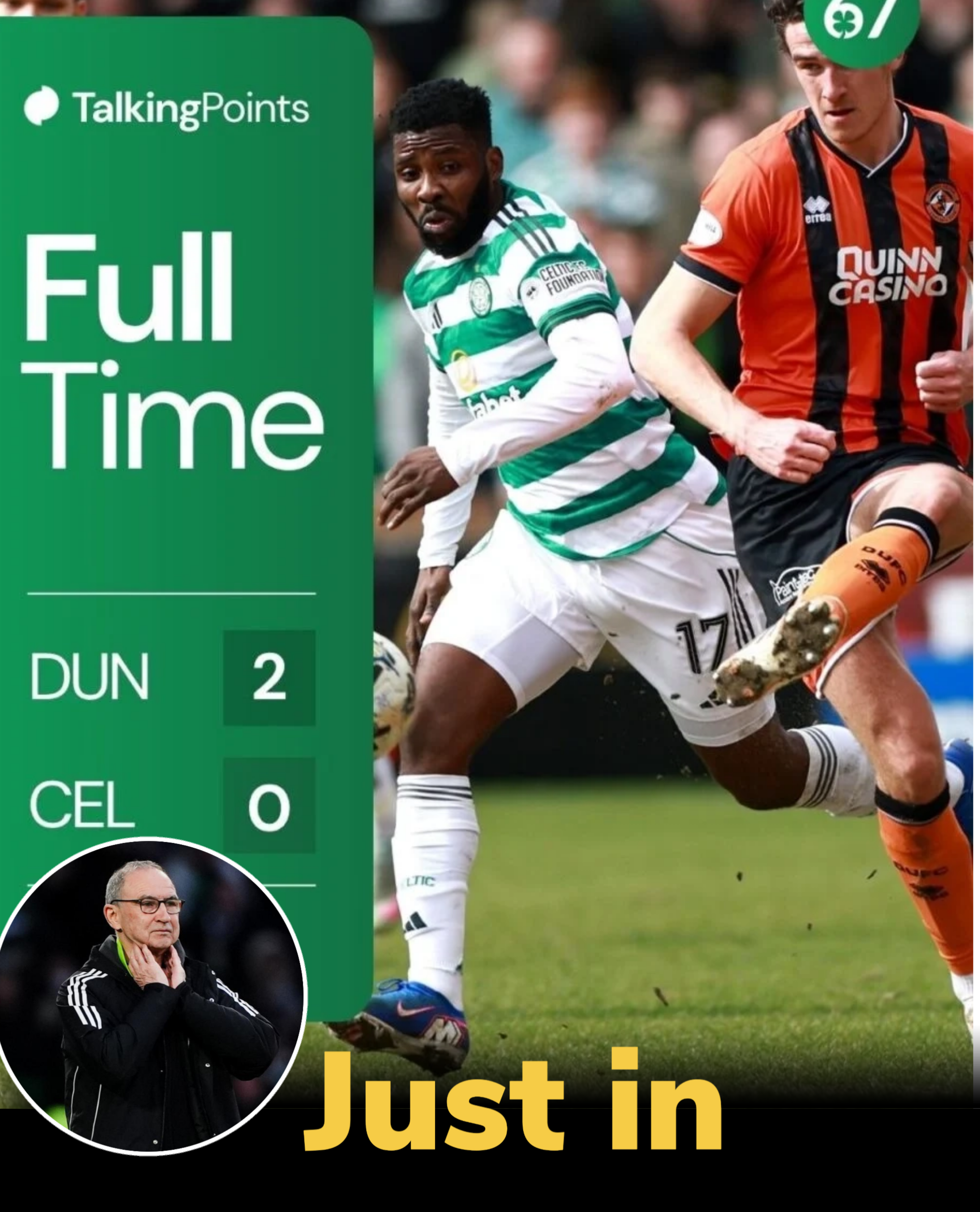
The defeat leaves Celtic five points adrift of Hearts and two behind their fierce Glasgow rivals Rangers. While the margins may not appear insurmountable at this stage of the season, the manner of recent performances has raised alarm bells among fans and pundits alike. The Hoops, long accustomed to setting the pace in Scottish football, now find themselves in an unfamiliar position—chasing rather than leading.
O’Neill, speaking after the match, expressed clear disappointment with how events unfolded. He admitted that the team had not reached the standards expected at a club of Celtic’s stature and emphasized the need for an immediate response. For a manager with a strong pedigree and deep ties to the club, the current run of form represents both a professional challenge and a personal frustration.
The match itself was another example of Celtic failing to assert dominance when it mattered most. Despite moments of promise, the team lacked the cutting edge required to secure a positive result. Defensive lapses and missed opportunities going forward proved costly, allowing their opponents to capitalize and ultimately secure victory. These recurring issues have become a pattern in recent weeks, contributing to the club’s slide down the table.
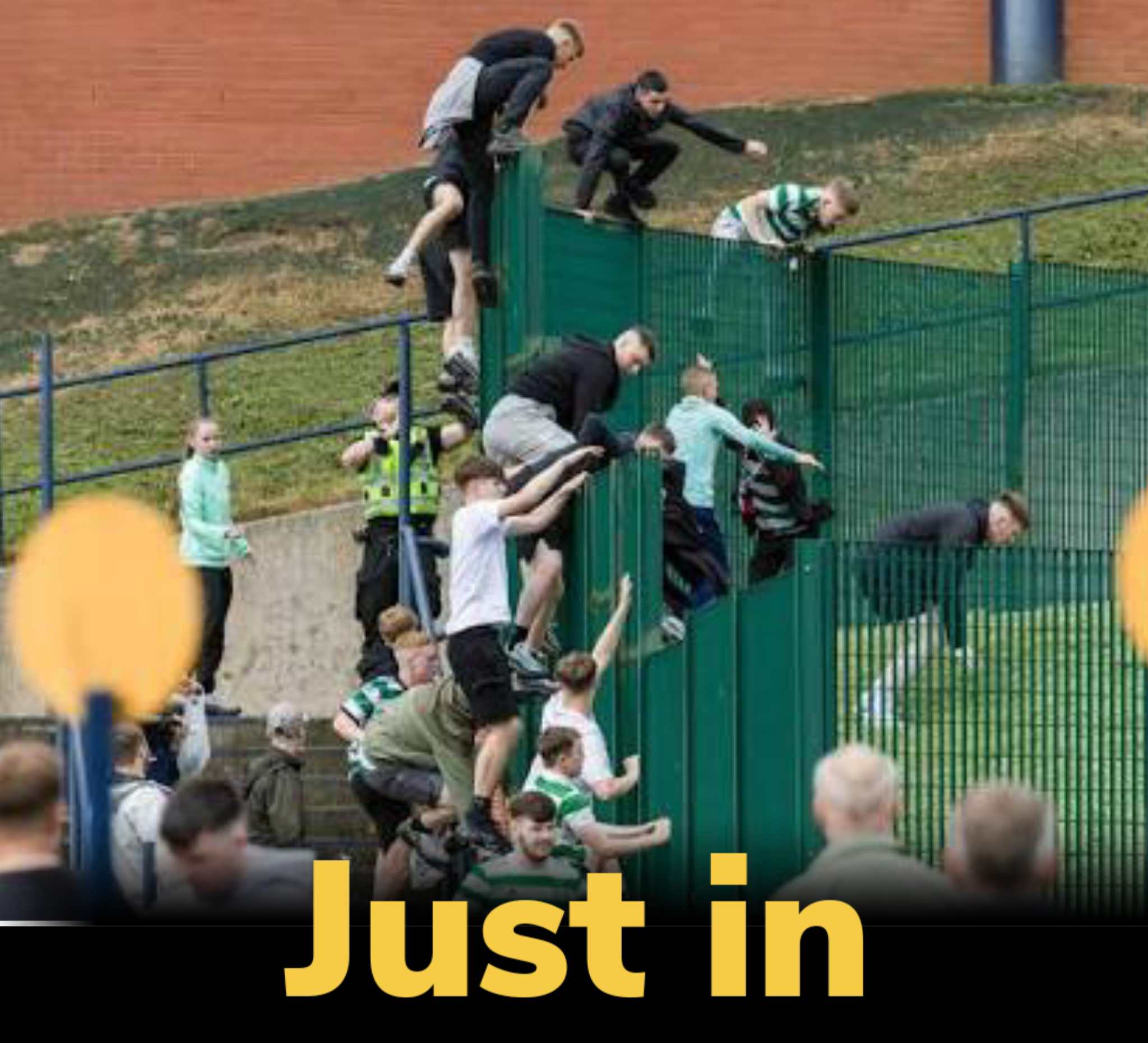
However, the reaction from the travelling Celtic support arguably told an even bigger story than the result on the pitch. As tensions continue to rise, sections of the away fans directed their anger toward the visiting board members from Celtic Park. The scenes highlighted a growing disconnect between the supporters and the club’s hierarchy, with many fans voicing concerns about the direction in which Celtic is heading.
Chants and gestures aimed at the board reflected dissatisfaction not only with recent performances but also with broader issues, including recruitment, strategy, and leadership. For a club with such a passionate and demanding fanbase, these moments are rarely isolated incidents—they are often indicative of deeper underlying frustrations.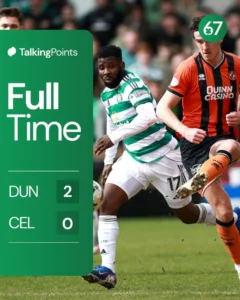
O’Neill acknowledged the fans’ reaction, stating that supporters have every right to express their feelings, particularly when results do not meet expectations. At the same time, he urged for unity during a challenging period, stressing that the team needs backing as they attempt to turn things around. He emphasized that while criticism is understandable, the focus must remain on improving performances on the pitch.
The pressure now mounts on both the players and the coaching staff as they seek to close the gap on Hearts and Rangers. The upcoming fixtures will be crucial in determining whether Celtic can regain momentum or risk falling further behind in the title race. Consistency, something that has eluded them recently, will be key if they are to re-establish themselves as genuine contenders.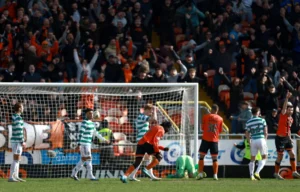
For Hearts, their position above Celtic represents a significant achievement and underlines their strong form this season. Meanwhile, Rangers continue to maintain their competitive edge, taking advantage of Celtic’s slip-ups to strengthen their own standing. The shifting dynamics at the top of the table have added an extra layer of intrigue to the campaign, with multiple teams now sensing opportunity.
Within the Celtic dressing room, there is likely a mix of frustration and determination. Experienced players will understand the gravity of the situation, while younger members of the squad may be feeling the pressure of heightened expectations. O’Neill’s role in managing these emotions will be critical, as he looks to instill confidence and resilience in his team.
There are also questions about how Celtic will approach the next transfer window or tactical adjustments in the short term. Whether through changes in personnel or strategy, something must shift if they are to halt their current decline. Fans will be watching closely to see how both the manager and the board respond to this challenging period.
Ultimately, Celtic’s current predicament serves as a reminder of how quickly fortunes can change in football. A club that has enjoyed significant success in recent years now faces a test of character and leadership. The coming weeks will be pivotal—not just in terms of results, but in shaping the narrative of their season.
For O’Neill, the task is clear: rally the squad, address the weaknesses, and restore belief. For the players, it is about stepping up and delivering when it matters most. And for the board, it may be time to reflect on the concerns being voiced by supporters and consider how best to support the team moving forward.
As the dust settles from yet another disappointing result, one thing is certain—the pressure is building at Celtic, and how they respond could define the remainder of their campaign.