ANDY ROBERTSON’S CRYPTIC INSTAGRAM POST AFTER SCOTLAND’S WORLD CUP EXIT HAS SPARKED WILD RETIREMENT SPECULATION AMONG THE TARTAN ARMY

Andy Robertson’s Cryptic Instagram Post Sparks Retirement Fears Among Scotland Fans
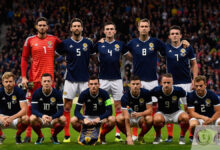
The Scottish football community has been thrown into turmoil after a cryptic Instagram post from national team captain Andy Robertson ignited widespread speculation about his international future. The Tartan Army, already reeling from Scotland’s painful exit from the 2026 FIFA World Cup, now faces the possibility that their inspirational leader may be preparing to step away from the international stage.
A Campaign That Ended in Heartbreak
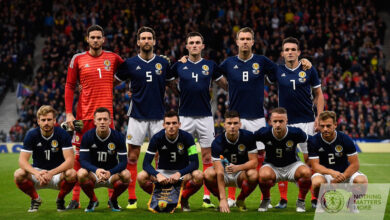
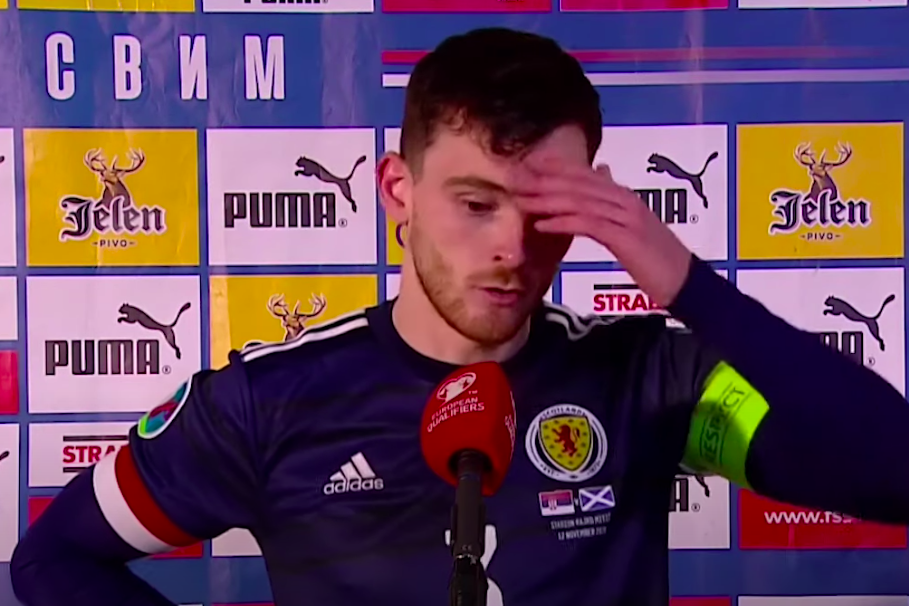
Scotland’s long-awaited return to the World Cup, hosted in the United States, ended in bitter disappointment on June 24, 2026. In their decisive final Group C fixture, Steve Clarke’s men were comprehensively beaten 3-0 by Brazil, a side brimming with flair and ruthless efficiency. The defeat left Scotland stranded in third place, their goal difference shredded beyond repair. The mathematics were unforgiving, and both Clarke and Robertson admitted in post-match interviews that the team’s journey was effectively over. “We’re going home,” Robertson said with visible anguish, a statement that carried the weight of finality.
The loss was more than just a scoreline; it symbolized the gulf between Scotland and the world’s elite. For a nation that had dreamed of making a mark on football’s grandest stage, the reality was sobering. The Tartan Army, who had traveled in droves to support their heroes, were left devastated.
The Emotional Fallout
Less than a day after the defeat, Robertson took to Instagram with a post that immediately set alarm bells ringing. At 32 years old, the left-back—who had just completed a high-profile move from Liverpool to Tottenham Hotspur—stands at a critical juncture in his career. His message, laden with emotion and ambiguity, left fans dissecting every word for hidden meaning.
The post featured a striking black-and-white image of Robertson walking alone down the stadium tunnel, captain’s armband dangling from his hand. The caption read:
“To lead this country on the world stage has been the greatest honor of my life. We dreamt of bringing Scotland here, and we fought with everything we had in our hearts. It didn’t end the way we wanted, and the pain of tonight will stay with me for a long time. No matter where the road leads next, thank you to the Tartan Army for believing in us, standing by us, and singing your hearts out across the world. You deserve everything. 🏴❤️”
The phrase “No matter where the road leads next” was instantly interpreted by many as a farewell. Combined with the symbolic gesture of removing his armband, the post felt less like a reflection on defeat and more like a curtain call.
Why Retirement Speculation Feels Real
Robertson has not explicitly announced retirement, but several factors lend credibility to the rumors.
1. Age and Physical Demands
At 32, Robertson is no longer the youthful dynamo who burst onto the scene at Dundee United. His game has always relied on relentless stamina, overlapping runs, and recovery pace—traits that inevitably decline with age. By Euro 2028, he will be 34, an age at which maintaining the physical demands of a high-pressing fullback role becomes increasingly difficult. For a player who has built his reputation on tireless energy, the prospect of scaling back is unavoidable.
2. Hints Before the Tournament
Even before the World Cup began, Robertson had hinted at the finite nature of his international career. In candid interviews, he acknowledged that this World Cup was likely his last realistic chance to compete at the highest level while still at his physical peak. Having achieved the dream of leading Scotland to the global stage, he may feel he has reached his personal summit with the national team, leaving space for younger talents like Aaron Hickey and Kieran Tierney to take over.
3. Club Career Transition
Robertson’s recent transfer from Liverpool to Tottenham Hotspur adds another layer to the speculation. After nine trophy-laden years at Anfield, where he won the Premier League, Champions League, FA Cup, and League Cup, he now faces the challenge of adapting to Roberto De Zerbi’s demanding system in North London. Such a move requires total focus, intense pre-season preparation, and physical adaptation. Stepping away from international duty would allow him to conserve energy and prolong his club career at the highest level.
Fan Reaction: Hope and Fear
The Scottish Football Association has remained silent, offering no clarification on Robertson’s intentions. In the absence of official word, fans have been left to interpret the post themselves. On forums and radio shows across Glasgow and Edinburgh, supporters are split between denial and acceptance.
Some argue the post was simply an emotional response to a devastating defeat, pointing out that any captain would thank fans after such a campaign. Others, however, believe the symbolism is too strong to ignore. For them, Robertson’s words and imagery signal the end of an era.
Regardless of interpretation, the outpouring of gratitude has been immense. Fans have flooded his comments with messages of thanks, acknowledging his role in transforming Scotland from perennial underachievers into a team capable of qualifying for consecutive major tournaments.
Robertson’s Legacy
If Robertson does retire, his legacy is secure. He redefined what it meant to represent Scotland, instilling resilience and pride into a squad that had long been haunted by near-misses and psychological fragility. Under his leadership, Scotland qualified for Euro 2020, Euro 2024, and the 2026 World Cup—achievements that once felt unattainable.
His journey from part-time football at Queen’s Park to Champions League glory with Liverpool is legendary. As captain, he embodied the spirit of the Tartan Army, combining world-class ability with humility and passion. For many, he is the greatest Scottish leader of the modern era.
What Comes Next for Scotland?
Should Robertson step aside, Scotland will face a significant leadership vacuum. Steve Clarke will need to appoint a new captain ahead of the UEFA Nations League and Euro 2028 qualifiers. Candidates like Callum McGregor and John McGinn are logical choices, but replacing Robertson’s drive, experience, and defensive solidity will be a daunting task.
Beyond the armband, Scotland must also grapple with the symbolic end of a cycle. Robertson’s potential departure would mark the closing chapter of a golden generation that carried the nation back to the global stage. The challenge now is to ensure that momentum is not lost and that younger players are ready to step into the void.
A Nation Awaits
For now, the decision rests with Robertson. His Instagram post may have been a raw expression of grief, or it may have been a carefully crafted farewell. Until he clarifies his intentions, Scotland remains in suspense. The Tartan Army, still nursing the wounds of World Cup elimination, now faces the prospect of losing its most iconic leader.
Whether Robertson continues or retires, his impact on Scottish football is indelible. He has given fans memories they will cherish forever, and his influence will echo long after he leaves the pitch. But as the squad boards its flight home from the United States, the future of Scottish football feels more uncertain than ever.