SFA SET TO APPOINT 51-CAP SCOTLAND AND RANGERS LEGEND AS THE NEW NATIONAL TEAM COACH

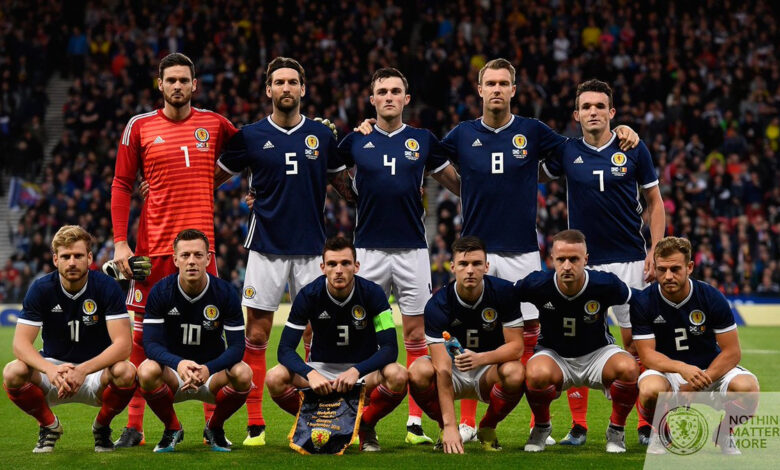
SFA Set to Appoint 51-Cap Scotland and Rangers Legend as the New National Team Coach
The Scottish Football Association (SFA) is preparing to turn the page on one of the most successful eras in modern Scottish football. Following the resignation of Steve Clarke after Scotland’s group-stage exit at the 2026 FIFA World Cup, the governing body is set to appoint a familiar face—one who embodies the grit, passion, and resilience of the Tartan Army. The next chapter of Scotland’s footballing journey will be led by a man who has worn the jersey with pride, battled in the trenches of the Scottish Premiership and the English Premier League, and now stands ready to guide his nation from the touchline.
Scotland’s World Cup 2026 Campaign: A Mixed Legacy
Scotland’s return to the World Cup after 28 years was a moment of immense pride. Clarke had masterminded qualification, building on his earlier successes at Euro 2020 and Euro 2024. The Tartan Army descended on North America with hope, kilts, and bagpipes, determined to make their voices heard on the world stage.
The group stage, however, proved unforgiving. Drawn against Brazil, Morocco, and Haiti, Scotland managed a hard-fought 1–0 victory over Haiti, but narrow defeat to Morocco and a heavy loss to Brazil sealed their fate. The team finished third in Group C, unable to progress to the knockout rounds. For Clarke, it was a bittersweet ending: he had restored Scotland’s presence at major tournaments, but the dream of advancing further remained elusive.
Clarke’s resignation was dignified, acknowledging both his achievements and the need for fresh leadership. His departure left the SFA with a crucial decision: who could build on his foundations while injecting new energy into the squad?
The State of the Squad
Scotland’s current squad is a blend of seasoned leaders and emerging talents. Captain Andy Robertson remains the heartbeat of the team, his marauding runs from left-back inspiring both teammates and fans. John McGinn’s dynamism in midfield, Scott McTominay’s versatility, and Ché Adams’ presence up front provide a solid spine. Yet, the team has struggled with consistency in attack, often relying on moments of individual brilliance rather than sustained offensive pressure.
Younger players such as Tyler Fletcher (Manchester United) and Ben Doak (Liverpool) represent the future, but they require careful integration. The challenge for the next coach will be balancing experience with youth, ensuring Scotland remains competitive in the short term while building for Euro 2028 and World Cup 2030.
The Search for a Successor
The SFA’s search for Clarke’s replacement was guided by several criteria:
– Continuity: A candidate familiar with the current squad and tactical framework.
– Credibility: Someone respected by players and fans alike.
– Development Focus: A coach capable of nurturing young talent while maximizing the potential of established stars.
– National Identity: A figure who embodies Scottish football culture and can rally the Tartan Army.
Several names were floated, including experienced managers from the domestic league and abroad. But one candidate stood out—not just for his résumé, but for his deep connection to the national team and his proven ability to inspire.
Stephen Naismith
At the heart of this story is Stephen Naismith, the 51-cap Scotland international and Rangers legend. Set to be appointed as the new national team coach, Naismith represents both continuity and renewal. His journey from player to coach has been marked by resilience, intelligence, and an unwavering commitment to Scottish football.
Naismith’s Playing Career
Naismith’s career is a testament to perseverance. Emerging at Kilmarnock, he quickly established himself as one of Scotland’s brightest talents. His move to Rangers solidified his reputation, where he became a key figure in domestic success. Later, his time at Everton in the Premier League showcased his adaptability and work ethic, earning respect from fans and teammates alike.
For Scotland, Naismith earned 51 caps and scored 10 goals. He was never the flashiest player, but his versatility across forward positions made him invaluable. Whether leading the line or supporting from deeper roles, he brought energy, intelligence, and determination.
Transition to Coaching
After retiring, Naismith moved into coaching, taking charge at Hearts. His tenure demonstrated tactical acumen and a willingness to trust young players. He also served as part of Clarke’s backroom staff, gaining invaluable experience at the international level. This dual background—club management and national team involvement—makes him uniquely qualified to step into Clarke’s shoes.
What Naismith Brings to Scotland
1. Credibility and Respect
As a former international, Naismith commands respect in the dressing room. Players know he has walked the walk, faced the pressures of international football, and understands the demands of representing Scotland.
2. Continuity with Fresh Energy
Having worked under Clarke, Naismith is familiar with the tactical framework. Yet, he brings his own ideas, particularly in attacking play. His appointment ensures stability while offering the promise of innovation.
3. Focus on Player Development
Naismith has shown a keen eye for nurturing young talent. With Scotland’s next generation emerging, his ability to integrate them effectively will be crucial.
4. Attacking Insight
Scotland’s struggles in front of goal have been well-documented. Naismith’s forward experience could help unlock more attacking options, ensuring the team is not overly reliant on midfield contributions.
Scotland’s Road Ahead
The immediate challenges for Naismith are clear:
– UEFA Nations League 2026: Scotland will face Slovenia, Switzerland, and North Macedonia. These fixtures will test Naismith’s tactical approach and provide an early measure of his impact.
– Euro 2028 Qualifiers: Securing qualification will be his first major objective. Success here would cement his credibility and build momentum.
– World Cup 2030 Build-Up: Long-term planning will focus on sustaining Scotland’s presence at the world stage, with an emphasis on youth development.
Risks and Opportunities
Risks
– Transition Period: Moving from Clarke’s established system could unsettle the squad if results don’t come quickly.
– Pressure of Expectations: Fans will demand immediate success, particularly after the World Cup disappointment.
– Limited Resources: Scotland’s player pool, while talented, lacks the depth of larger nations.
Opportunities
– Fresh Identity: Naismith can reshape Scotland’s tactical approach, particularly in attack.
– Youth Integration: With promising talents emerging, he has the chance to build a squad for the future.
– Fan Connection: As a former player, Naismith embodies the passion of the Tartan Army, ensuring strong support.
Conclusion: A New Era Beckons
Stephen Naismith’s impending appointment marks a symbolic and strategic moment for Scottish football. He is not just a coach; he is a former player who understands the pride and pressure of wearing the national jersey. His challenge will be to build on Clarke’s foundations, guide Scotland through Euro 2028, and prepare for World Cup 2030 with renewed belief.
For the Tartan Army, the message is clear: the journey continues. With Naismith at the helm, Scotland enters a new era—one defined by resilience, ambition, and the enduring dream of success on the world stage.