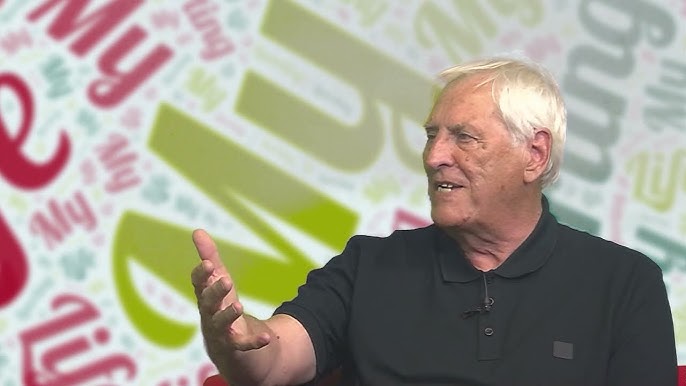
Ex-FIFA referee Keith Hackett claims Ismail Elfath should be sued after five horrific decisions in England 2-1 loss to Argentina

Ex-FIFA referee Keith Hackett claims Ismail Elfath should be sued after five horrific decisions in England 2-1 loss to Argentina.
The 2026 FIFA World Cup semi-final between England and Argentina will be remembered not only for its dramatic ending but also for the storm of controversy surrounding referee Ismail Elfath’s decisions. Argentina’s 2–1 victory in Atlanta sent Lionel Messi and his teammates into the final against Spain, but the officiating has left England fans, pundits, and former referees furious. Among the loudest critics is ex-FIFA referee Keith Hackett, who has gone as far as suggesting Elfath should face legal action for what he described as “five horrific decisions” that changed the course of the match.
The Match: England’s Dream Turns to Nightmare
England entered the semi-final brimming with confidence after a strong tournament run under manager Thomas Tuchel. Anthony Gordon’s strike in the 55th minute gave the Three Lions a deserved lead, and for much of the second half, they looked poised to reach their first World Cup final since 1966.
But Argentina, led by the evergreen Lionel Messi, refused to bow out quietly. Enzo Fernández’s thunderous equalizer in the 85th minute reignited Argentine hopes, and in stoppage time, Lautaro Martínez rose above England’s defense to head home Messi’s pinpoint cross. The stadium erupted, and Argentina booked their place in the final with a 2–1 win.
For England, it was heartbreak. For Argentina, it was jubilation. Yet, for many observers, the match was overshadowed by officiating decisions that tilted the balance.
The Flashpoints: Five Decisions Under Fire
Critics have pointed to five key incidents where referee Ismail Elfath allegedly failed to enforce the laws of the reckless tackle (41’): A studs-up challenge that caught England’s Bukayo Saka high on the shin. Elfath issued only a yellow card, though many argued it was a clear red.
2. Cristian Romero’s foul (50’): Romero lunged dangerously at Jude Bellingham. Again, Elfath opted for a yellow, sparking outrage from commentators who felt the defender should have been dismissed.
3. Rodrigo De Paul’s persistent fouling: Despite repeated infringements, De Paul escaped with a single late booking, raising questions about consistency.
4. England’s Elliot Anderson (36’): Booked for a similar challenge to Lisandro Martínez’s, highlighting what critics saw as double standards.
5. Penalty shout (70’): Harry Kane appeared to be bundled over in the box, but Elfath waved play on. VAR did not intervene, leaving England fans fuming.
These moments combined to create a narrative of bias or incompetence, with England feeling robbed of a fair contest.
Keith Hackett’s Explosive Statement
At the heart of the backlash is Keith Hackett, former FIFA referee and ex-head of the Professional Game Match Officials Limited (PGMOL). Hackett did not mince words in his assessment:
“Argentina should’ve received at least 2 red cards. Lisandro Martínez’s tackle was dangerous and reckless, while Cristian Romero’s foul was equally worthy of dismissal. Ismail Elfath failed to protect the players and allowed Argentina to escape punishment. These are not just poor decisions; they are catastrophic errors that changed the outcome of a World Cup semi-final. Frankly, if referees cannot uphold the laws of the game, then accountability must follow — even legal action against Elfath should be considered.”
Hackett’s comments have ignited debate about whether referees should face greater accountability, including legal consequences, for decisions that alter the trajectory of major tournaments.
England’s Response: Anger and Defiance
England’s players and staff were visibly distraught after the final whistle. Manager Thomas Tuchel defended his team’s approach, insisting they did not intentionally sit back after scoring. Captain Harry Kane echoed this sentiment, saying England had tried to remain proactive but were undone by officiating and Argentina’s late surge.
Goalkeeper Jordan Pickford, who made several crucial saves, lamented the lack of protection from the referee. “We gave everything, but when decisions go against you like that, it’s hard to keep fighting,” he said.
Fans back home expressed outrage, with social media flooded by clips of the controversial incidents. Many demanded FIFA review its referee selection process, arguing that Elfath’s performance was unfit for a World Cup semi-final.
Argentina’s Triumph: Messi’s Magic and Martínez’s Heroics
While England focused on officiating, Argentina celebrated a remarkable comeback. Lionel Messi, at 39, once again proved decisive, orchestrating both goals with his vision and precision. Enzo Fernández’s strike showcased Argentina’s resilience, while Lautaro Martínez’s stoppage-time header sealed the victory.
For Argentina, the narrative is one of destiny. Messi, in what is likely his final World Cup, has guided his nation to yet another final, aiming to add one more chapter to his legendary career.
The Bigger Picture: Refereeing Standards Under Scrutiny
Hackett’s call for legal accountability may sound extreme, but it reflects growing frustration with FIFA’s handling of refereeing. The introduction of VAR was supposed to eliminate clear errors, yet inconsistencies remain. Critics argue that referees are shielded from consequences, even when their decisions have monumental impacts.
The England vs Argentina semi-final has reignited debates about:
– VAR’s role: Why was Kane’s penalty shout not reviewed?
– Consistency: Why were similar fouls punished differently?
– Accountability: Should referees face sanctions or removal after poor performances?
Some pundits suggest FIFA should introduce post-match reviews with transparent explanations, while others advocate for semi-professional referees to be replaced by full-time officials with stricter training.
Legal Action: A Realistic Possibility?
Hackett’s suggestion that Elfath could be sued raises complex questions. In theory, referees are protected by FIFA regulations, and legal challenges against officiating decisions are rare. However, the idea highlights the seriousness of the perceived injustice.
Legal experts note that while suing a referee directly may be unlikely, pressure could mount on FIFA to reform its disciplinary structures. Hackett’s comments may serve more as a rallying cry than a literal call to court, but they underscore the depth of frustration among England supporters.
England’s Future: Picking Up the Pieces
Despite the heartbreak, England’s young squad has shown promise. Players like Jude Bellingham, Bukayo Saka, and Anthony Gordon represent a bright future. Tuchel’s tactical approach has been praised, even if the semi-final ended in disappointment.
The challenge now is psychological: recovering from a sense of injustice and preparing for future tournaments. England must channel their anger into motivation, ensuring that this painful defeat becomes a stepping stone rather than a stumbling block.
Argentina’s Destiny: Messi’s Last Dance?
For Argentina, the semi-final win feels like fate. Messi’s influence remains profound, and his teammates are determined to deliver him one last World Cup triumph. Facing Spain in the final, Argentina will rely on their blend of experience and youthful energy.
The controversy surrounding the semi-final may linger, but for Argentina, the focus is on glory. For Messi, it is a chance to cement his legacy as the greatest of all time.
Conclusion: A Semi-Final That Will Live in Infamy
The England vs Argentina semi-final of the 2026 World Cup will be remembered not just for its goals but for its controversies. Ismail Elfath’s decisions have sparked outrage, with Keith Hackett’s explosive remarks pushing the debate into uncharted territory. Whether or not legal action is pursued, the match has highlighted the urgent need for reform in refereeing standards.
For England, it is heartbreak. For Argentina, triumph. For FIFA, it is a crisis of credibility. And for fans, it is a reminder that football, for all its beauty, remains vulnerable to human error — and the consequences can be devastating.