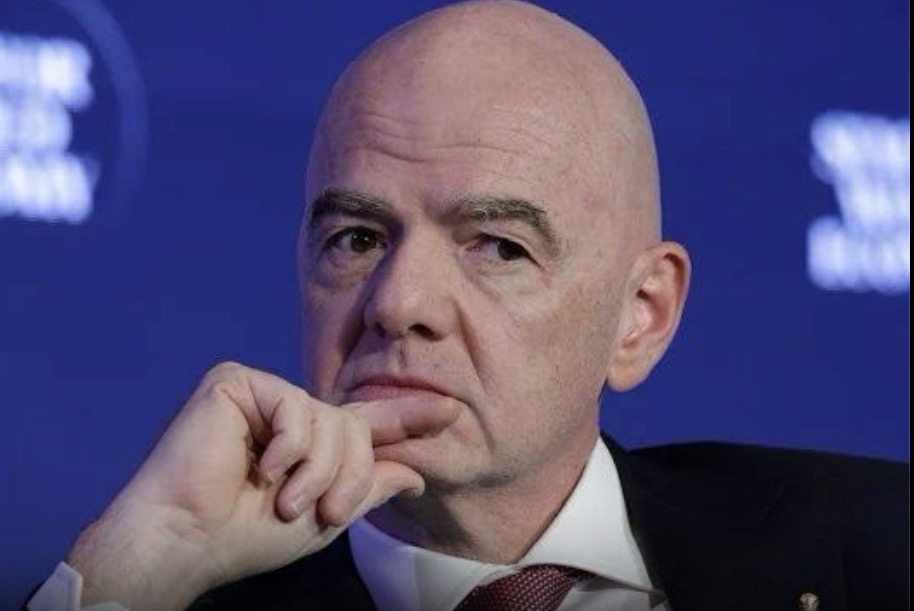

The FIFA World Cup is the biggest sporting event on the planet, bringing together billions of fans and generating enormous revenues for world football. At the center of this global spectacle stands FIFA President Gianni Infantino, one of the most influential figures in modern sports administration. However, reports of a potential investigation connected to World Cup governance, decision-making, and organizational conduct have once again placed Infantino under intense scrutiny.
While investigations involving football authorities are not uncommon, any inquiry involving the FIFA president immediately attracts worldwide attention because of the immense power and responsibility attached to the role. Such developments often raise questions about transparency, accountability, and the future direction of football’s governing body.
The Man at the Center of World Football
Gianni Infantino became FIFA president in 2016 following one of the most turbulent periods in the organization’s history. FIFA had been rocked by corruption scandals that led to the downfall of several senior officials and damaged the reputation of the governing body.
Infantino was elected on promises of reform, transparency, and modernization. He pledged to restore confidence in FIFA and reshape the organization for a new era.
Since taking office, he has overseen several significant changes, including:
* The expansion of the FIFA World Cup.
* Increased investment in football development programs.
* Growth in commercial revenues.
* New tournament structures for clubs and national teams.
* Expanded opportunities for emerging football nations.
Supporters argue that Infantino has transformed FIFA into a stronger and more financially stable organization. Critics, however, contend that some of his decisions have concentrated too much power within FIFA’s leadership and raised concerns about governance.
Why an Investigation Would Be Significant
Any investigation involving a FIFA president carries enormous implications because FIFA governs football worldwide.
The World Cup is not merely a sporting tournament. It is a multibillion-dollar enterprise involving governments, sponsors, broadcasters, and football associations from every continent.
Questions surrounding decision-making processes, tournament administration, or governance practices can therefore affect:
* FIFA’s credibility.
* Commercial partnerships.
* Relationships with national football associations.
* Public confidence in tournament integrity.
* Future host nation selections.
For this reason, even preliminary investigations often generate significant media attention long before any conclusions are reached.
The Growing Pressure on FIFA Leadership
Modern football operates under unprecedented scrutiny.
Every major decision made by FIFA is analyzed by journalists, fans, political leaders, and regulatory bodies. Issues ranging from tournament scheduling to player welfare have become major talking points in recent years.
Several factors have contributed to this increased attention:
Financial Growth
The World Cup generates billions of dollars in revenue through broadcasting rights, sponsorship agreements, ticket sales, and commercial partnerships.
With such vast sums involved, stakeholders increasingly demand transparency regarding how decisions are made.
Expansion of Competitions
FIFA has expanded several competitions under Infantino’s leadership.
Supporters believe these changes create more opportunities for nations around the world. Critics argue that expansion can place additional strain on players and crowded football calendars.
Governance Expectations
Modern sports organizations face higher standards of accountability than ever before.
Football supporters increasingly expect governing bodies to explain major decisions clearly and openly.
As a result, FIFA’s leadership often finds itself defending policies and responding to public criticism.
Previous Challenges Faced by Infantino
This is not the first time Gianni Infantino has found himself under intense public scrutiny.
Throughout his presidency, various controversies have generated headlines, including debates surrounding:
* World Cup hosting decisions.
* Tournament scheduling.
* Governance reforms.
* Relationships with political leaders.
* Commercial strategies.
Despite these challenges, Infantino has consistently maintained that FIFA operates according to its regulations and remains committed to transparency.
His supporters point to FIFA’s financial growth and expanding global reach as evidence that his leadership has been successful.
The Importance of Due Process
One of the most important principles in any investigation is due process.
Investigations are designed to establish facts rather than assumptions.
When allegations or concerns emerge, it is essential that investigators:
* Gather evidence.
* Interview relevant parties.
* Review documentation.
* Examine decision-making procedures.
* Reach conclusions based on facts.
The existence of an investigation does not automatically imply wrongdoing.
Many inquiries ultimately conclude that procedures were followed correctly, while others may identify areas requiring reform rather than individual misconduct.
For this reason, observers often caution against drawing conclusions before official findings are released.
Impact on the 2026 World Cup
Any investigation involving FIFA leadership naturally raises questions about the impact on ongoing tournaments and future competitions.
The 2026 FIFA World Cup represents one of the most ambitious projects in football history.
Hosted across the United States, Canada, and Mexico, the tournament has already attracted enormous global interest.
Preparations involve:
* Stadium readiness.
* Security planning.
* Commercial operations.
* Broadcast arrangements.
* Team logistics.
Despite any leadership controversy, FIFA’s organizational structure ensures that tournament planning continues through multiple departments and committees.
Therefore, experts generally believe that operational preparations would continue even if investigations involving senior officials were underway.
Reactions Across the Football Community
Whenever questions arise surrounding FIFA leadership, reactions tend to vary considerably.
Supporters of Infantino
Many supporters argue that Infantino has delivered tangible improvements for world football.
They highlight:
* Increased investment in grassroots football.
* Larger financial distributions to member associations.
* Expanded international competitions.
* Greater opportunities for developing football nations.
From this perspective, they view criticism as an inevitable consequence of leading one of the world’s most powerful sporting organizations.
Critics of FIFA
Critics maintain that football governance requires constant oversight.
They argue that scrutiny is essential because FIFA’s decisions affect players, clubs, supporters, sponsors, and governments worldwide.
For these observers, investigations serve as an important mechanism for ensuring accountability.
FIFA’s Historical Relationship with Investigations
FIFA’s history demonstrates why investigations involving football governance attract such significant attention.
The organization has experienced numerous controversies over the decades.
Previous scandals led to major reforms designed to improve:
* Transparency.
* Financial oversight.
* Ethics procedures.
* Governance standards.
* Independent review mechanisms.
As a result, modern FIFA operates under stricter compliance frameworks than in previous eras.
Any new investigation is therefore viewed within the broader context of FIFA’s efforts to move beyond past controversies.
What Happens Next?
The future course of events would depend largely on the nature and findings of any investigation.
Possible outcomes could include:
No Further Action
Investigators may conclude that no rules were violated and that procedures were followed appropriately.
In such cases, officials involved are often cleared of wrongdoing.
Recommendations for Reform
Investigators may identify areas where governance practices could be strengthened.
This could lead to policy adjustments without disciplinary action.
Disciplinary Proceedings
If evidence of misconduct were found, disciplinary procedures could follow under FIFA regulations or relevant legal frameworks.
Such processes typically involve hearings, appeals, and formal reviews before final decisions are made.
The Stakes for Infantino
For Gianni Infantino personally, any investigation represents a major test of leadership.
FIFA presidents operate under constant public scrutiny because their decisions influence the future of global football.
How a leader responds to questions, criticism, and investigations often shapes public perception as much as the eventual findings themselves.
Throughout his tenure, Infantino has repeatedly emphasized FIFA’s commitment to transparency and accountability.
Whether supporters or critics agree with his policies, there is little doubt that his leadership has had a profound impact on modern football.
Conclusion
The prospect of an investigation involving FIFA President Gianni Infantino is certain to generate headlines throughout the football world. Given FIFA’s central role in governing the global game and organizing the World Cup, any scrutiny of its leadership carries significant implications.
However, investigations are ultimately designed to establish facts rather than assumptions. Until official findings are presented, speculation remains just that—speculation.
What is clear is that the football community will be watching closely. The outcome could influence perceptions of FIFA’s governance, shape future reforms, and potentially affect the legacy of one of the most influential figures in modern football administration.
For now, attention remains focused on how FIFA responds, how investigators proceed, and whether the findings ultimately strengthen confidence in football’s governing structures or trigger a new chapter of debate surrounding the leadership of Gianni Infantino and the future of the World Cup.