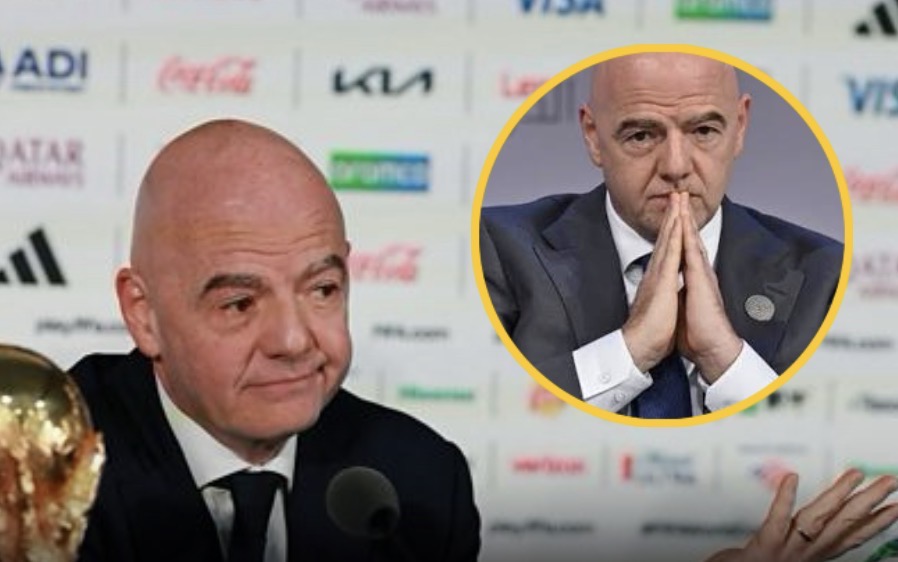
GIANNI INFANTINO URGED TO RESIGN AS FIFA PRESIDENT AFTER CLAIMS HE HAS ‘DESTROYED FOOTBALL’ AT THE WORLD CUP

The pressure on FIFA President Gianni Infantino has intensified following a wave of criticism from football supporters, former players, pundits, and analysts who have questioned several decisions made during the recent FIFA World Cup. In recent days, growing frustration among sections of the football community has led to calls for Infantino to step down from his position, with some critics going as far as accusing him of “destroying football” through policies and decisions they believe have fundamentally altered the nature of the game.
While such accusations are highly controversial and remain matters of opinion rather than established fact, they reflect the level of emotion and debate currently surrounding FIFA’s leadership. The World Cup has always been football’s most prestigious tournament, bringing together nations from every corner of the globe. However, as the competition has evolved, discussions about governance, officiating, scheduling, commercialization, and tournament expansion have become increasingly prominent.
At the center of those debates stands Infantino, the man who has led world football’s governing body through one of the most transformative periods in its history.
Growing Criticism During the Tournament
Throughout the World Cup, several controversial incidents sparked fierce debate among supporters and football experts. Disputed refereeing decisions, controversial VAR interventions, scheduling concerns, player welfare issues, and disagreements regarding FIFA’s governance all became recurring talking points.
While criticism of FIFA is not unusual during major tournaments, many observers noted that the intensity of the backlash appeared stronger than in previous editions of the competition.
Social media platforms became flooded with discussions questioning various FIFA decisions. Former professionals and television analysts frequently debated whether certain changes introduced under FIFA’s current leadership had improved or harmed the sport.
For some supporters, the concerns went beyond individual incidents. They argued that football’s traditions were being sacrificed in pursuit of commercial growth and global expansion.
The Expansion Debate
One of the biggest points of contention surrounding Infantino’s presidency has been the expansion of the World Cup.
Supporters of the expanded format argue that increasing participation creates opportunities for more nations to compete on football’s biggest stage. They believe the changes help grow the sport globally and give emerging football nations a realistic chance to showcase their talent.
Critics, however, argue that a larger tournament risks diluting quality, increasing fixture congestion, and placing additional physical demands on players.
The debate became especially heated during the tournament, with some commentators claiming the football calendar has become increasingly overcrowded.
Many players already face demanding schedules at club level, participating in domestic leagues, cup competitions, continental tournaments, and international fixtures. Critics argue that adding more matches creates greater injury risks and reduces recovery time.
Supporters of Infantino counter that football must continue evolving and expanding if it is to remain the world’s most popular sport.
VAR and Officiating Controversies
Few topics generated more discussion during the World Cup than refereeing and VAR decisions.
Several matches featured moments that divided opinion among fans and experts alike. While VAR was introduced to improve accuracy and reduce clear errors, critics argue that the technology has sometimes created new controversies rather than eliminating them.
Some supporters felt key decisions took too long to reach, while others questioned the consistency of interpretations across different matches.
Whenever a major refereeing controversy occurred, criticism was often directed not only at match officials but also at FIFA itself, given its role in overseeing tournament regulations and officiating standards.
Former players frequently expressed frustration during television broadcasts, arguing that football risks losing some of its spontaneity when controversial incidents dominate headlines more than the action on the pitch.
As a result, some critics used those moments as further evidence in their broader criticism of FIFA’s leadership.
Commercialization of the Modern Game
Another major issue raised by critics concerns the increasing commercialization of football.
Under modern FIFA administrations, the World Cup has become one of the most valuable sporting events in the world. Broadcasting rights, sponsorship agreements, advertising partnerships, and commercial activities generate enormous revenues.
Supporters of FIFA argue that these revenues are essential for developing football globally. Funding generated by major tournaments helps support grassroots programs, infrastructure projects, coaching development, and football associations across the world.
However, critics argue that financial interests have become too influential in decision-making processes.
Some believe football authorities should place greater emphasis on sporting considerations rather than commercial opportunities. These concerns have resurfaced repeatedly throughout recent World Cups, particularly when discussions involve scheduling, tournament formats, and expansion plans.
For those calling for change, commercialization has become a symbol of what they view as football drifting away from its traditional roots.
Defenders of Infantino Respond
Despite the criticism, Gianni Infantino continues to have strong supporters within the football community.
Many football officials point to significant achievements during his presidency. They highlight increased investment in football development programs, expanded opportunities for smaller nations, and growing financial support for member associations.
Supporters also argue that FIFA has worked to make football more inclusive and globally representative.
They note that the World Cup is no longer dominated exclusively by traditional football powers and that expanded participation provides inspiration for developing nations seeking to establish themselves on the international stage.
According to Infantino’s supporters, many of the criticisms directed at FIFA stem from resistance to change rather than genuine failures in leadership.
They argue that every major reform inevitably attracts opposition and that history will judge many of these initiatives more favorably than current critics suggest.
Former Players Join the Debate
As criticism intensified, several former players publicly shared their opinions regarding the state of the game.
Some expressed concerns about fixture congestion, tournament expansion, and the growing influence of commercial interests. Others defended FIFA’s efforts to modernize football and adapt to changing global realities.
The diversity of opinions highlights how complex the debate has become.
Football is followed by billions of people worldwide, and no single policy can satisfy every supporter, player, coach, or administrator.
What remains clear is that discussions about FIFA’s direction have become one of the defining stories surrounding modern football governance.
Pressure From Fans
Football supporters have played a major role in amplifying criticism throughout the tournament.
Social media has transformed how fans engage with football. Opinions that once remained limited to stadium conversations now spread instantly across the globe.
Calls for Infantino’s resignation gained traction online as frustrated supporters reacted to controversial incidents and broader concerns regarding the future of the sport.
Petitions, opinion pieces, and fan campaigns emerged in various countries, reflecting growing dissatisfaction among certain sections of the football community.
However, it is important to recognize that social media often amplifies the loudest voices. While criticism has been significant, there are also millions of supporters who continue to enjoy the tournament and support FIFA’s efforts to develop football worldwide.
The Challenge of Leading World Football
Leading FIFA is arguably one of the most difficult jobs in global sport.
The organization represents more than 200 member associations, each with unique priorities, cultures, and footballing traditions.
Decisions that benefit one region may be unpopular elsewhere. Reforms designed to promote global growth can generate resistance from traditional football powers.
As a result, FIFA presidents frequently find themselves at the center of controversy regardless of the decisions they make.
Infantino’s tenure has been no exception.
His administration has overseen significant changes, including tournament expansions, increased investment programs, technological innovations, and broader efforts to globalize football.
Supporters view these initiatives as evidence of progress. Critics see them as examples of football losing touch with its heritage.
What Happens Next?
At present, there is no indication that Gianni Infantino intends to resign as FIFA President.
The organization continues to operate under its existing leadership structure, and FIFA officials have repeatedly emphasized their commitment to developing football globally.
Nevertheless, the criticism surrounding the World Cup is unlikely to disappear quickly.
Many of the issues raised by supporters, players, and commentators are expected to remain central topics of discussion in the months and years ahead.
Questions regarding tournament formats, officiating standards, player welfare, commercial influence, and football governance will continue shaping debates across the sport.
Whether those discussions ultimately strengthen FIFA’s position or increase pressure for reform remains to be seen.
Conclusion
The calls for Gianni Infantino to resign as FIFA President represent one of the most significant controversies to emerge from the World Cup. Critics argue that changes introduced during his leadership have damaged football’s traditions and contributed to growing dissatisfaction among supporters. Defenders, however, point to increased global participation, greater financial investment, and expanded opportunities for emerging football nations as evidence of positive progress.
As emotions surrounding the tournament continue to run high, one thing is certain: the debate over FIFA’s direction and leadership is far from over. The World Cup remains the pinnacle of international football, and decisions made by its governing body will continue to attract intense scrutiny from every corner of the sporting world.
Whether the criticism ultimately leads to meaningful reforms or simply becomes another chapter in football’s long history of passionate debate, the conversation surrounding Gianni Infantino’s leadership is set to remain a major talking point long after the final whistle of the tournament.