STEVE CLARKE REPORTEDLY MAKES SHOCK DECISION ON HIS SCOTLAND FUTURE AFTER WORLD CUP EXIT

STEVE CLARKE REPORTEDLY MAKES SHOCK DECISION ON HIS SCOTLAND FUTURE AFTER WORLD CUP EXIT.
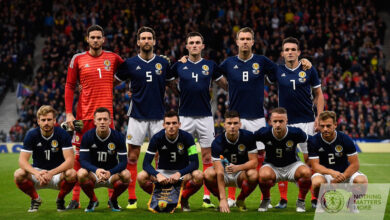
The fallout from Scotland’s painful 3-0 defeat to Brazil at the 2026 FIFA World Cup has left national team manager Steve Clarke wrestling with his future. Despite signing a contract extension that ties him to the job until 2030, the heavy loss in Miami has triggered widespread criticism and forced Clarke to reflect deeply on whether he has the energy to lead the team through a difficult rebuild.
The Breaking Point in Miami
Scotland entered their final Group C clash against Brazil at Hard Rock Stadium with hopes of progressing to the knockout stages. Instead, they endured a defensive collapse that saw Vinícius Júnior score twice and Matheus Cunha add a third. Clarke’s conservative tactical approach was dismantled, leaving fans and pundits questioning his methods.
The emotional toll was evident immediately after the match. Clarke stunned viewers by walking out of a live interview with BBC Sport after just 23 seconds, visibly shaken and unwilling to discuss permutations that might have kept Scotland’s slim hopes alive. He later returned to admit bluntly: “I think we’re going home.” That moment crystallized the sense of despair surrounding the team.
Crisis Management Behind Closed Doors
In the aftermath of the defeat and Clarke’s abrupt media exit, his staff implemented a carefully structured crisis plan to protect both the manager and his players from escalating scrutiny:
– 24-Hour Media Blackout: Clarke withdrew from public view, while the squad was shielded from social media to avoid exposure to harsh criticism.
– Private Debrief: Clarke met with senior players such as Andy Robertson, John McGinn, and Scott McTominay to apologize for his emotional reaction and reaffirm his loyalty.
– Tactical Shielding: He accepted full responsibility for the team’s failings, ensuring individual players were not singled out for blame.
– SFA Summit: Clarke arranged an urgent meeting with Scottish FA Chief Executive Ian Maxwell to discuss his state of mind and whether he could realistically oversee the squad’s next phase of development.
This structured response highlighted both Clarke’s awareness of the damage caused by his public walkout and his determination to protect his players from further criticism.
Clarke’s Reflections and Blueprint for Recovery
In a candid discussion away from the cameras, Clarke admitted the defeat had left him questioning whether he could continue. He acknowledged that while his contract extension showed the FA’s faith in him, tournaments often force managers to confront difficult truths. Clarke suggested that Scotland’s current cycle of players may have reached its natural end.
His proposed blueprint for recovery included:
1. Tactical Overhaul: Moving away from the rigid 5-3-2 formation toward a more expansive 4-3-3 system, even if it means defensive vulnerabilities during the transition.
2. Youth Integration: Fast-tracking five or six players from the Under-21 squad into the senior team to inject pace, athleticism, and modern dynamism.
3. Painful Departures: Phasing out several veteran players who have served Scotland well but may no longer be able to compete at the highest level.
Clarke emphasized that if the FA wanted to maintain the status quo, he would not be the right man to lead the team forward.
Contract Dilemma and Public Debate
The timing of Clarke’s doubts is particularly awkward for the Scottish FA. Just weeks before the World Cup, they extended his contract until 2030, praising him as the most successful modern coach in Scotland’s history. Clarke had ended decades of frustration by guiding the team to Euro 2020, Euro 2024, and the 2026 World Cup.
Yet critics argue that while he has delivered qualification, his teams have consistently struggled to perform on the biggest stages. Scotland’s inability to create clear chances in North America reinforced the perception of stagnation. The debate now centers on whether Clarke’s achievements in qualifying outweigh the lack of progress in major tournaments.
Divided Opinions Within Scottish Football
Not everyone believes Clarke should shoulder the blame. Former Everton manager David Moyes pointed out that Scotland simply lacks the physical attributes and technical speed to compete with elite nations like Brazil. Others, however, argue that Clarke’s conservative tactics have limited the team’s potential.
Close associates suggest Clarke is genuinely torn. Former teammate Pat Nevin noted that Clarke may be questioning whether he wants to endure the stress of a long rebuild, especially given that he is financially secure and does not need the job for stability.
What Lies Ahead?
Scotland now faces a crossroads. If Clarke decides to step aside, the FA will need to find a successor capable of maintaining his record of qualification while also rejuvenating the squad. With an aging core and limited youth talent emerging, the road to Euro 2028 looks daunting.
Clarke’s legacy is already significant—he broke barriers by ending Scotland’s long absence from major tournaments. But whether he has the appetite to continue leading the team through another cycle remains uncertain. His decision will shape the future of Scottish football for years to come.